University of Colombo Celebrates Environment Month 2026
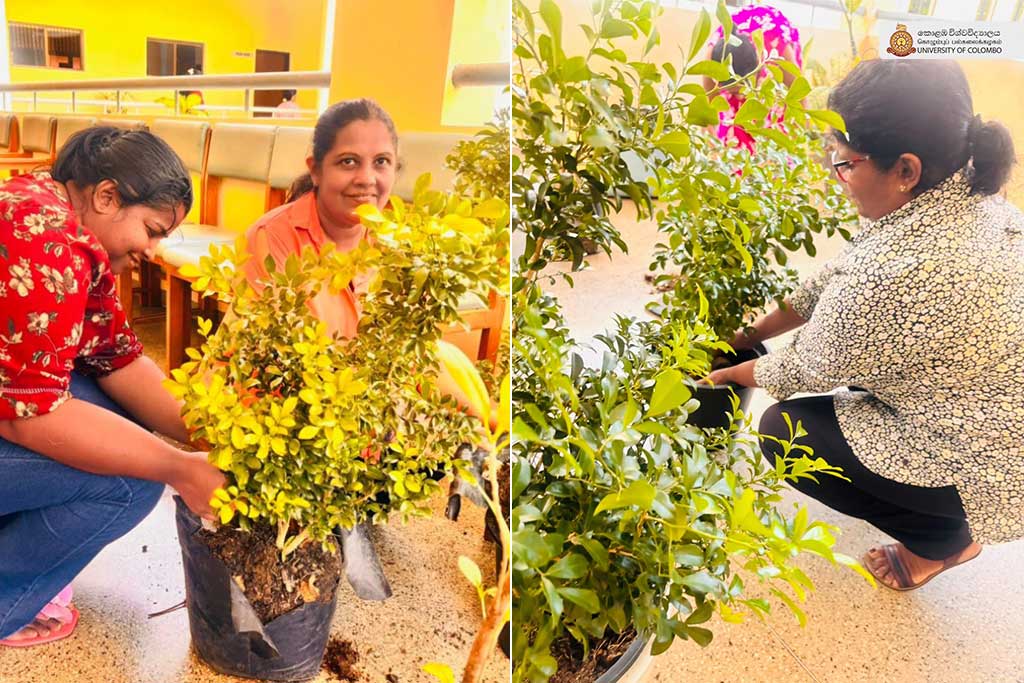
To commemorate World Environment Day 2026, the University of Colombo officially declared June as Environment Month, allowing the University community to come together and promote environmental responsibility and sustainability. The Centre for Environmental Initiatives (CEI) launched the “Green-Clean-Sweep” initiative and coordinated a series of environmental activities across faculties and institutes throughout the University.
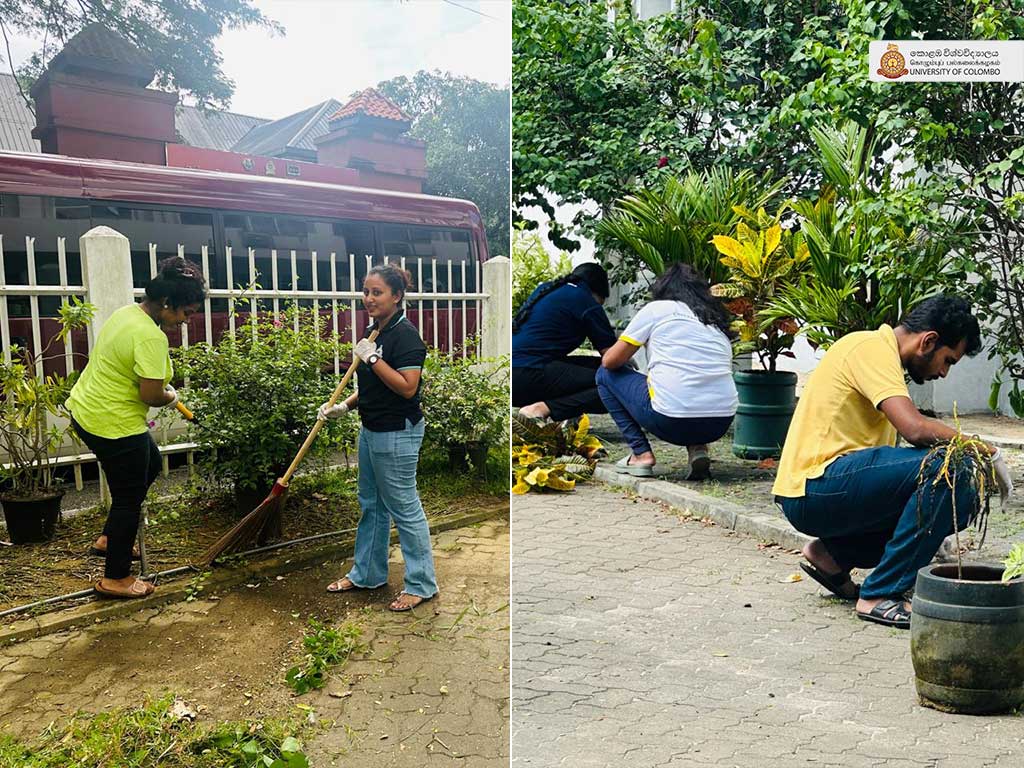
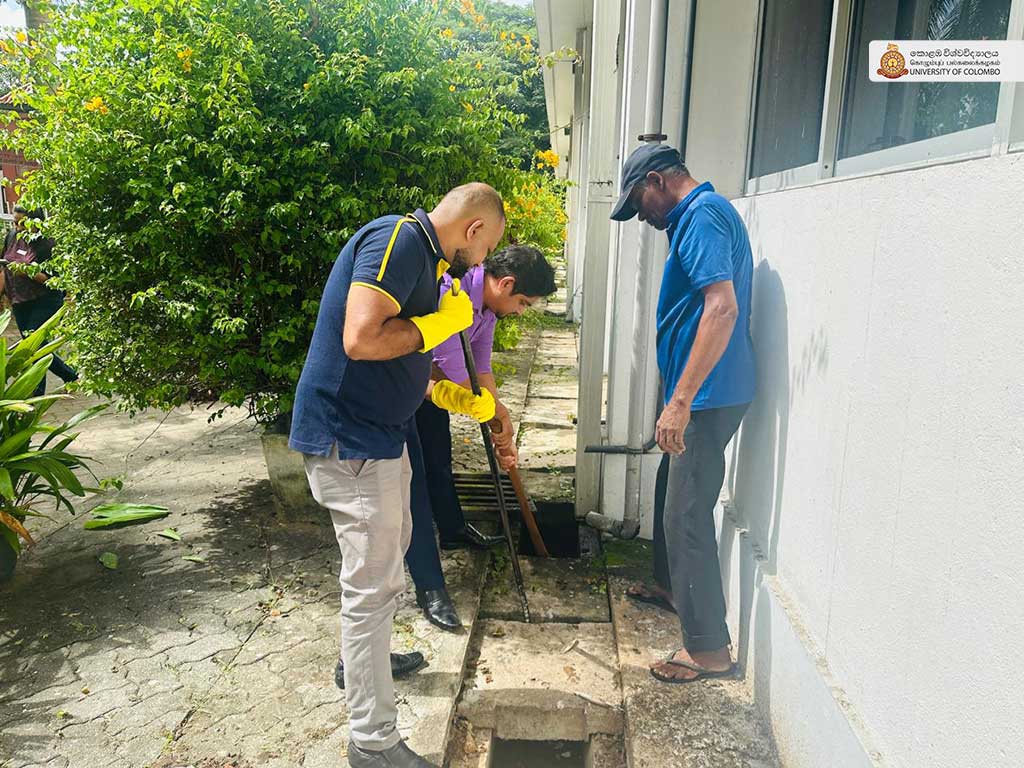
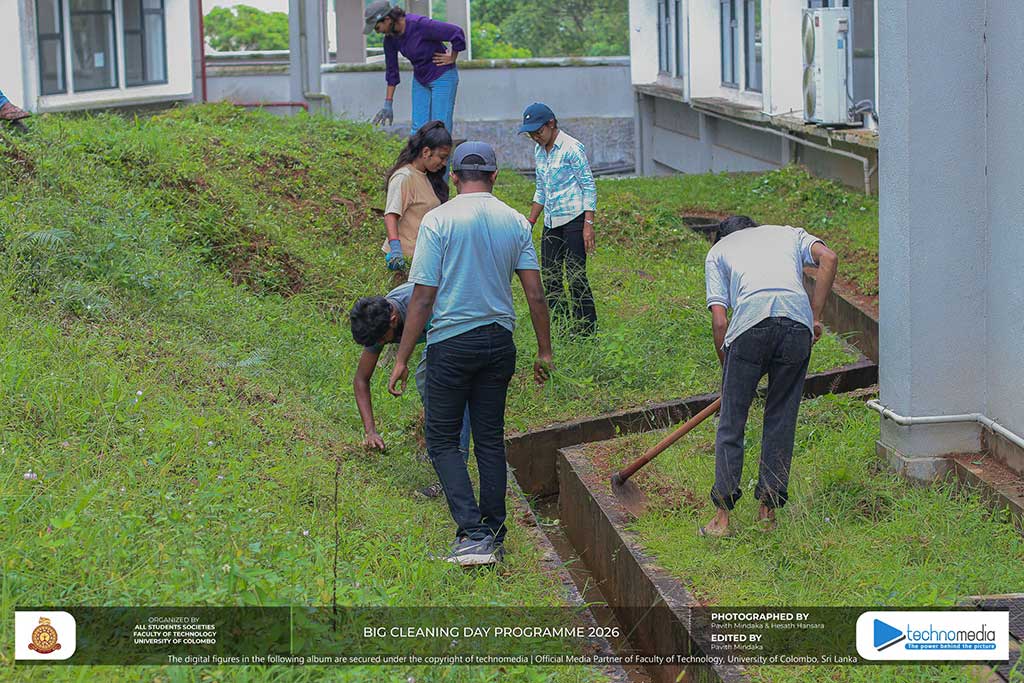
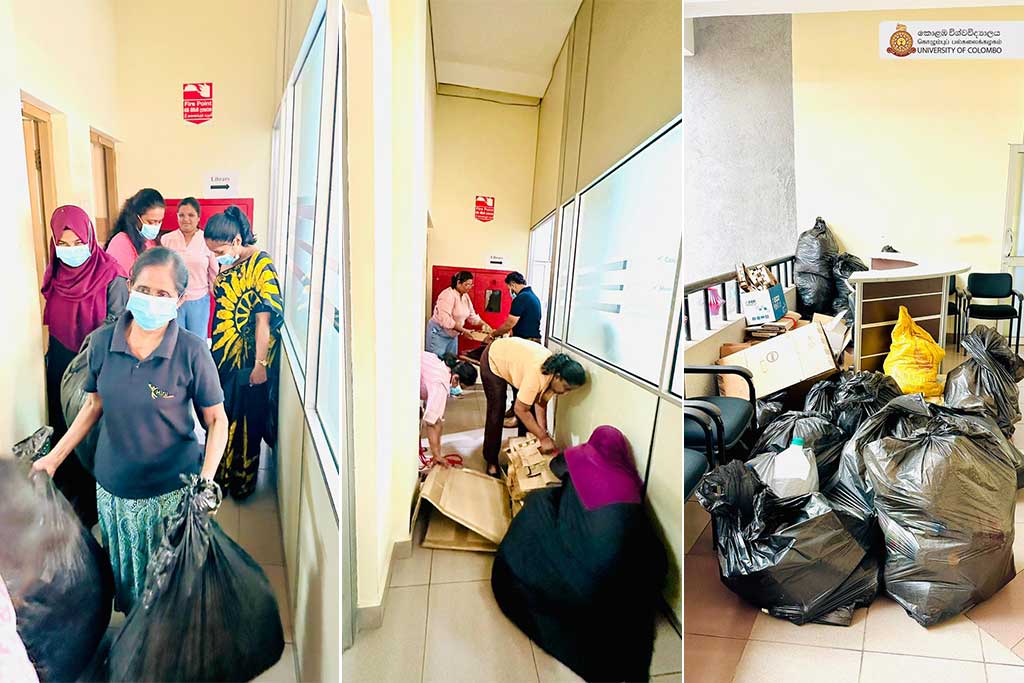
The initiative focused on maintaining clean and organised indoor workspaces, enhancing outdoor surroundings and greenery, improving waste management, clearing drains and stagnant water and eliminating potential mosquito breeding sites. Throughout the month, faculty and institutes organised a wide range of activities focused on environmental awareness, cleanliness, sustainability, and collective responsibility.
BIG CLEANING DAYS AND SHRAMADANA CAMPAIGNS
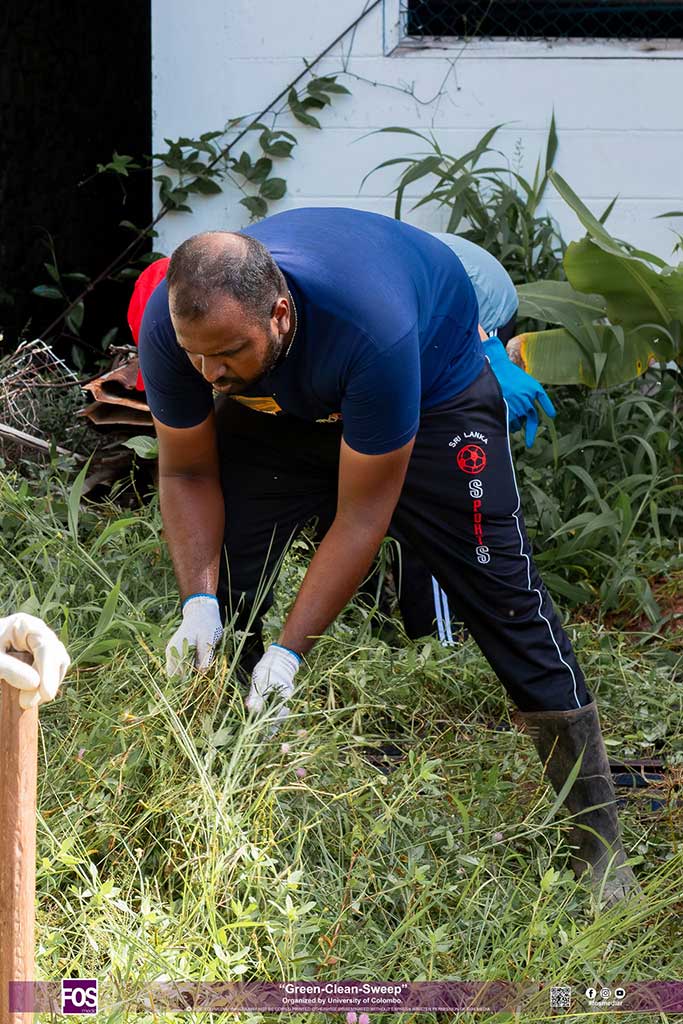
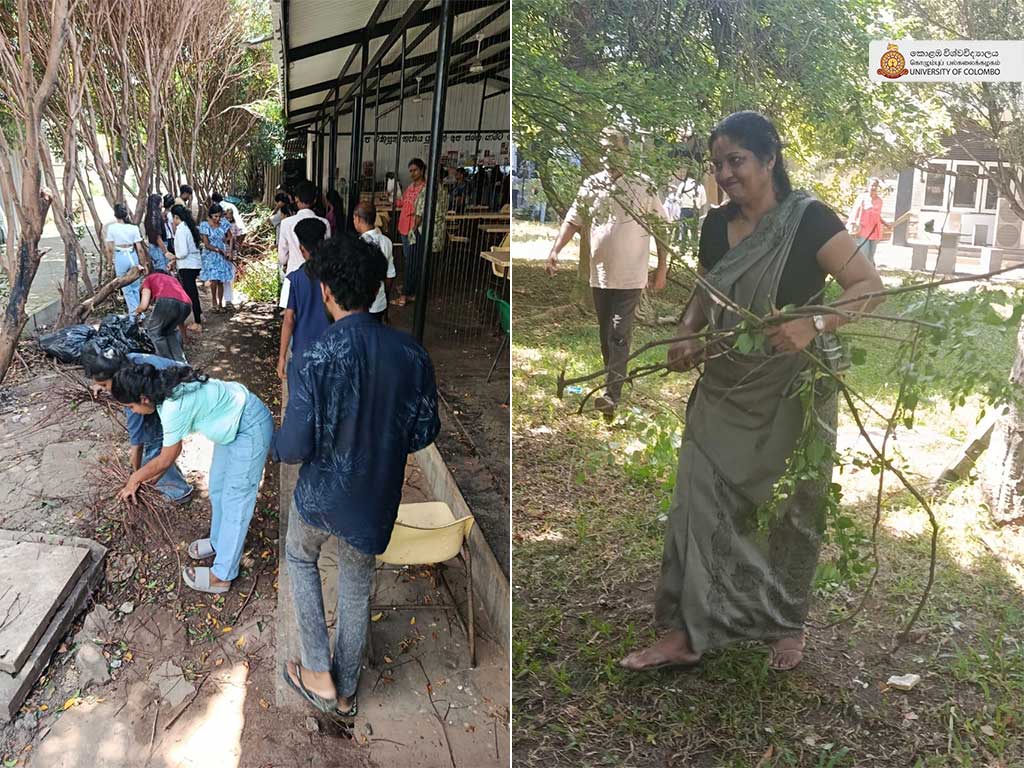
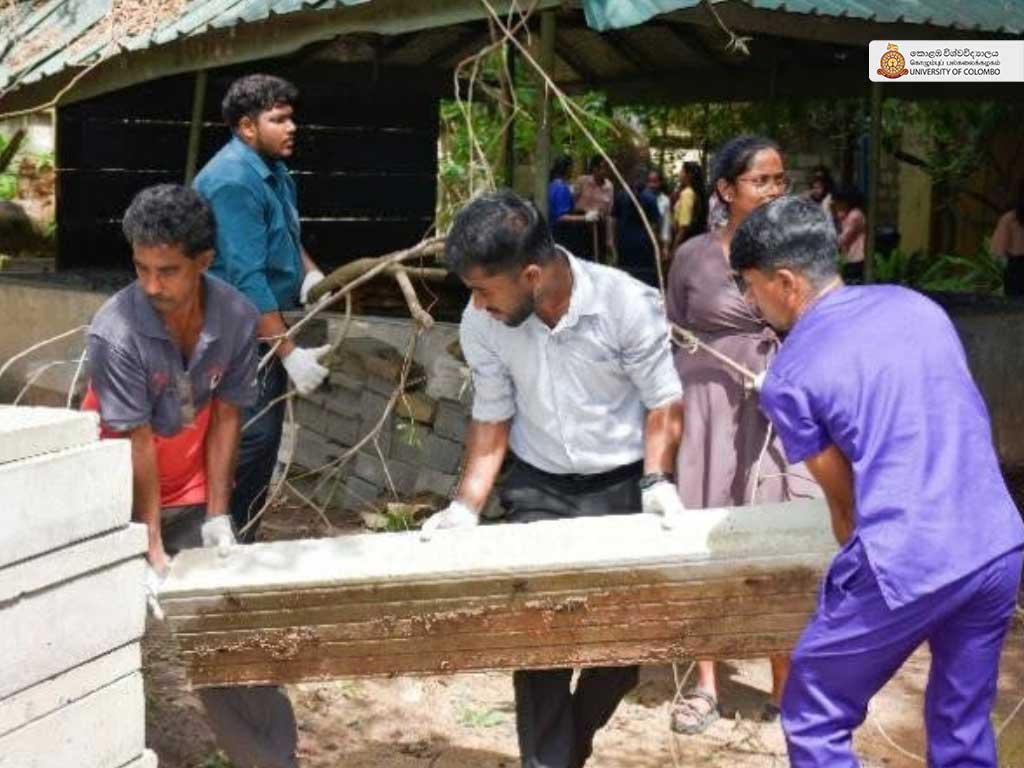
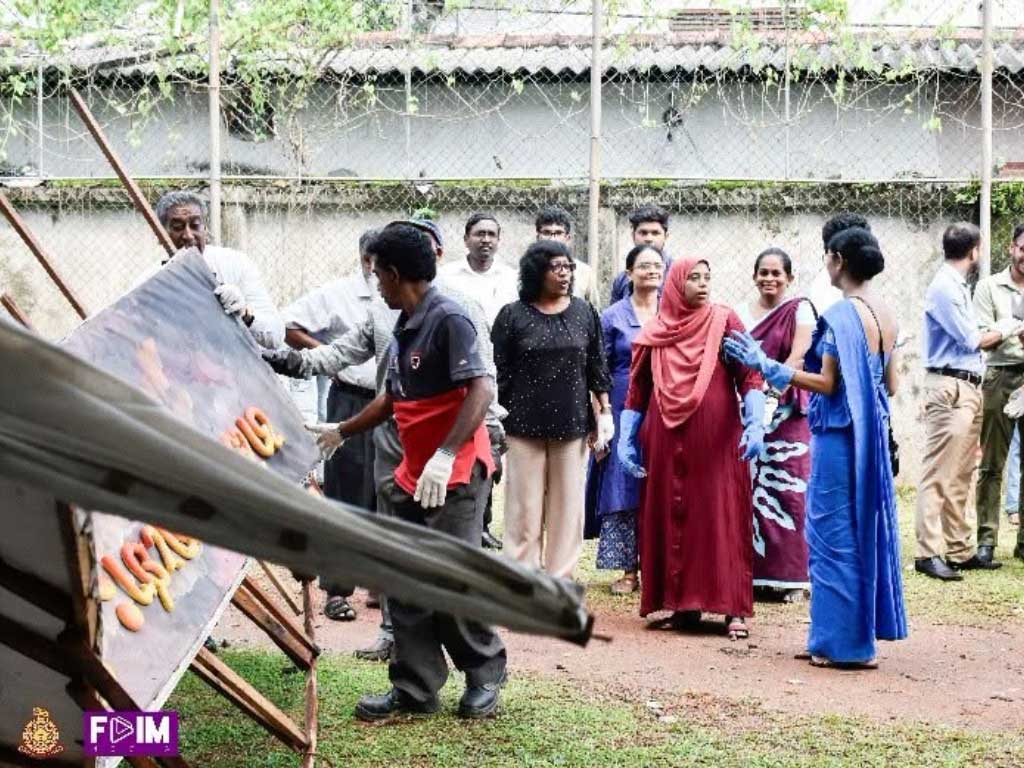
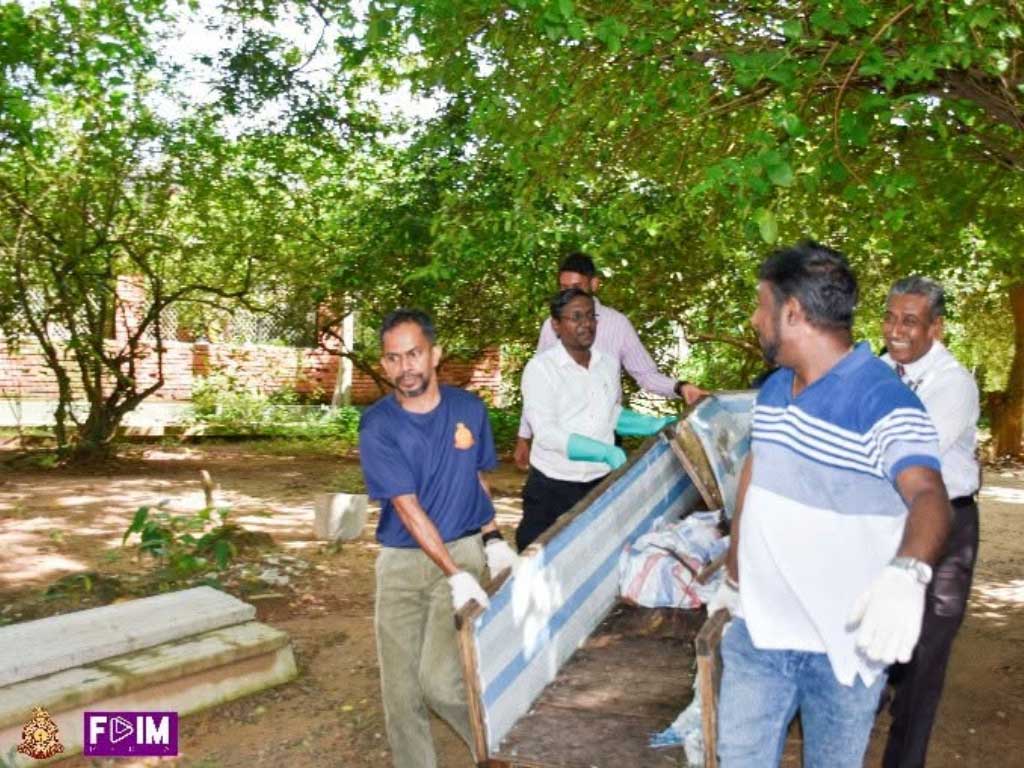
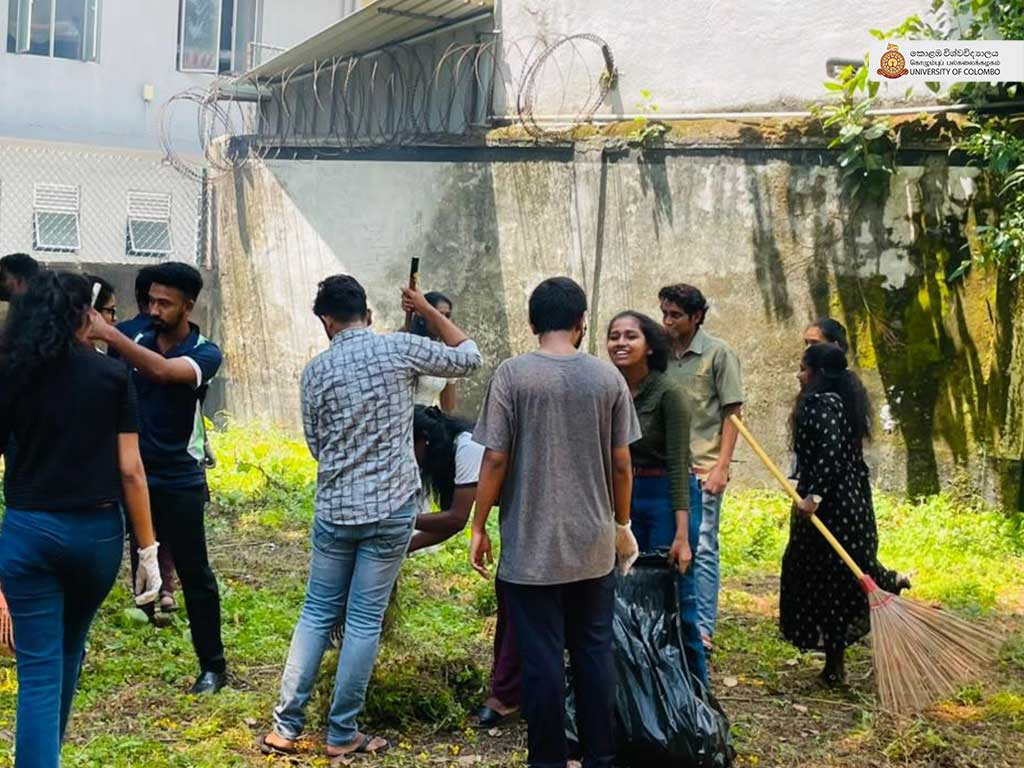
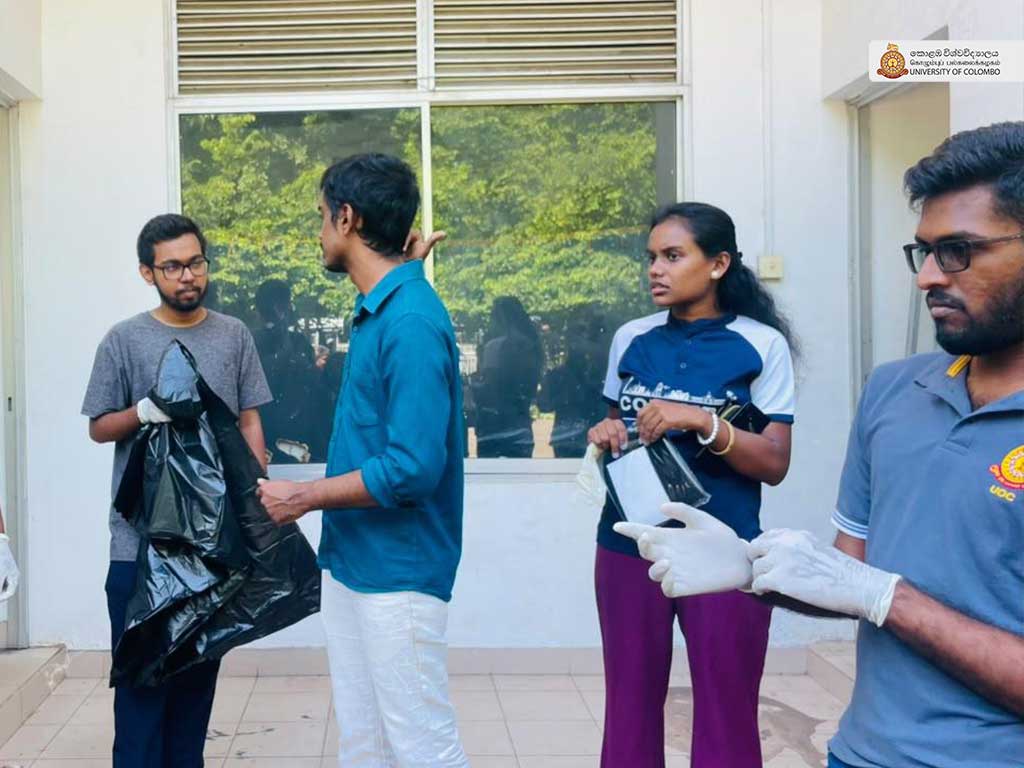
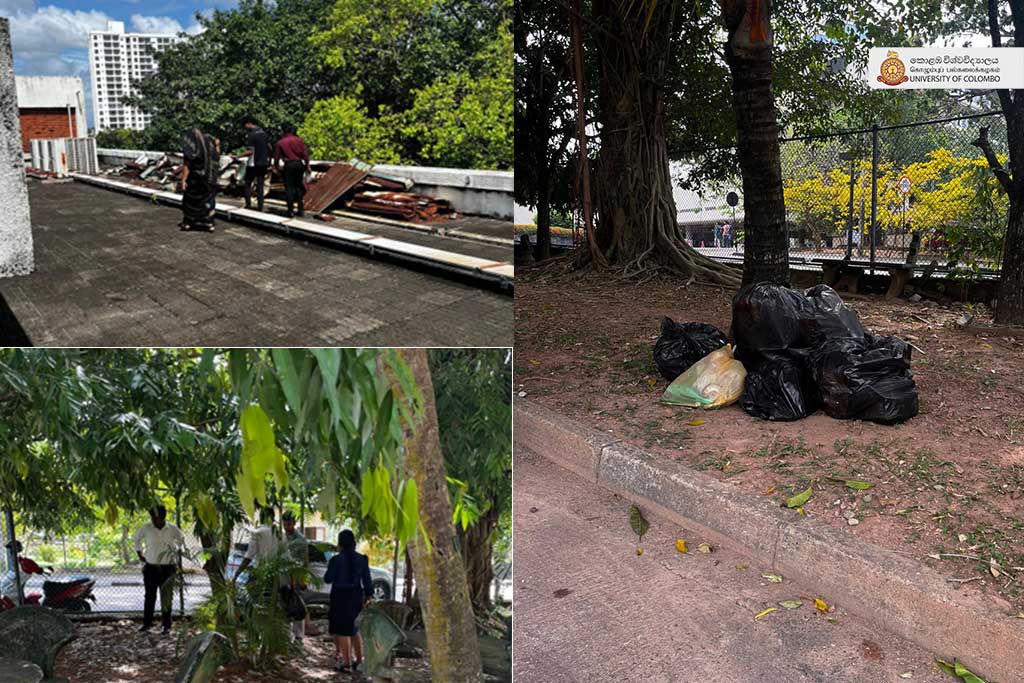
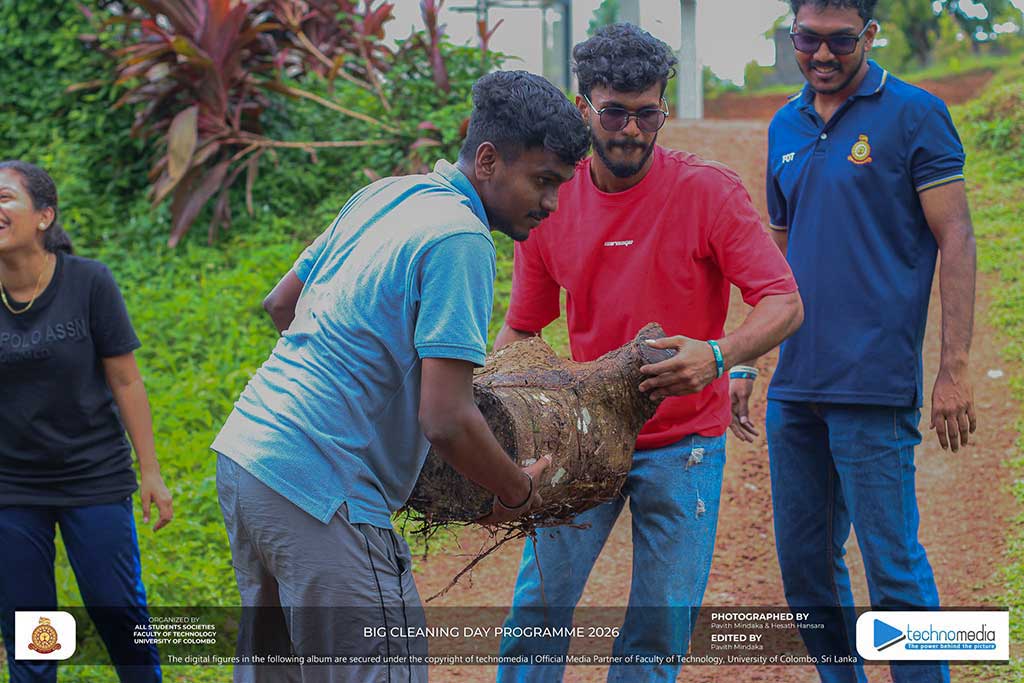
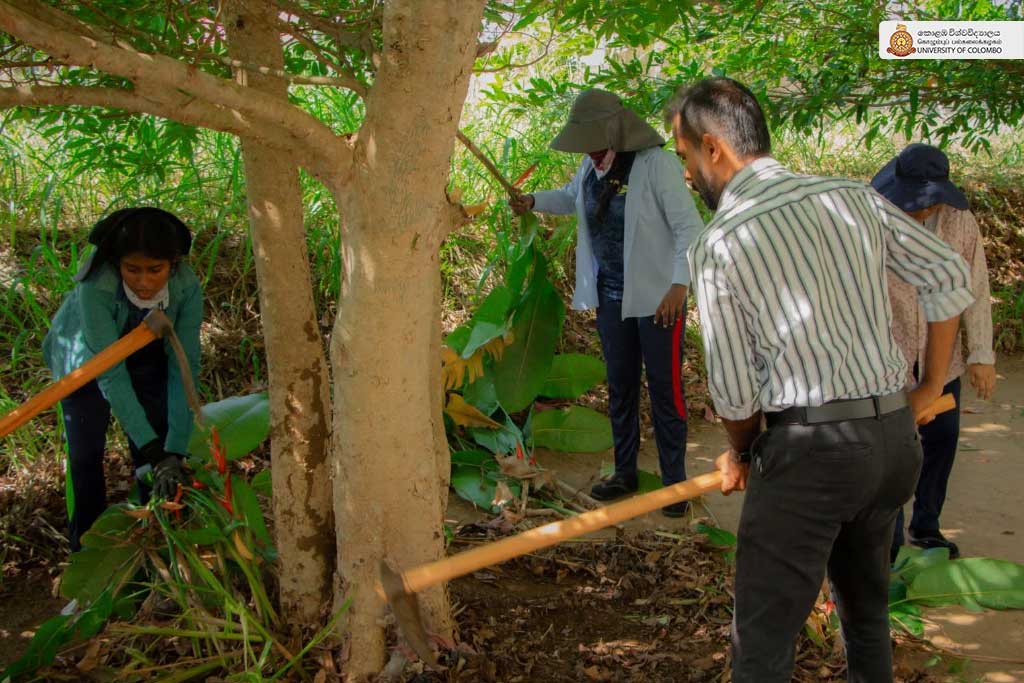
A series of cleaning days and Shramadana campaigns commenced on 5 June with a major Shramadana campaign at College House, with the participation of the Vice-Chancellor, staff members, and students. Several faculties and institutes also conducted Shramadana and dengue prevention activities to promote clean, healthy, and environmentally responsible premises.

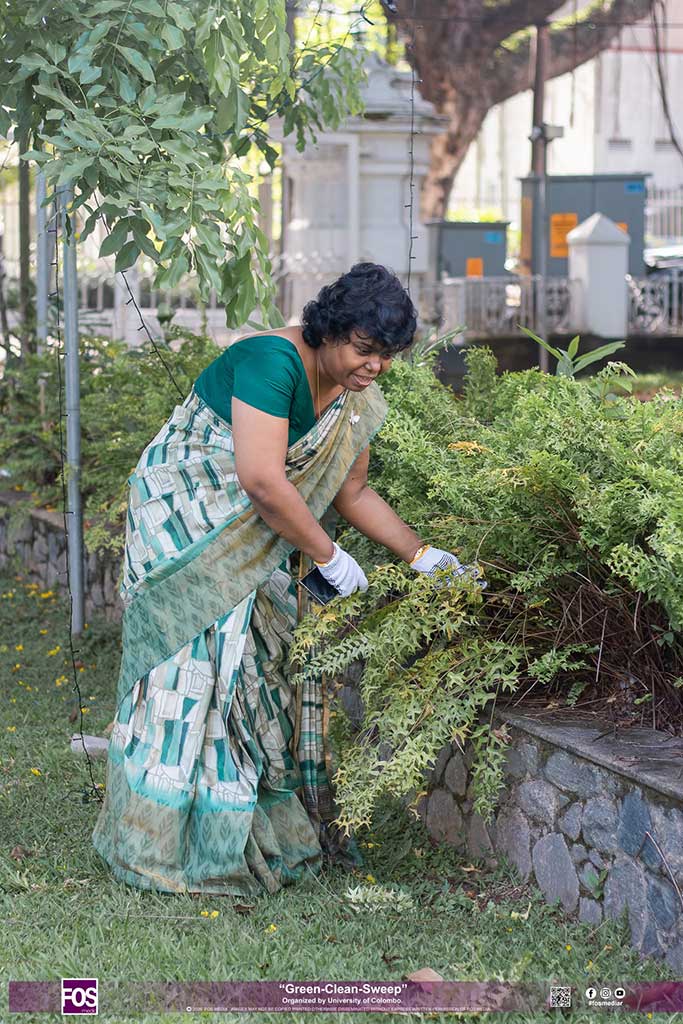
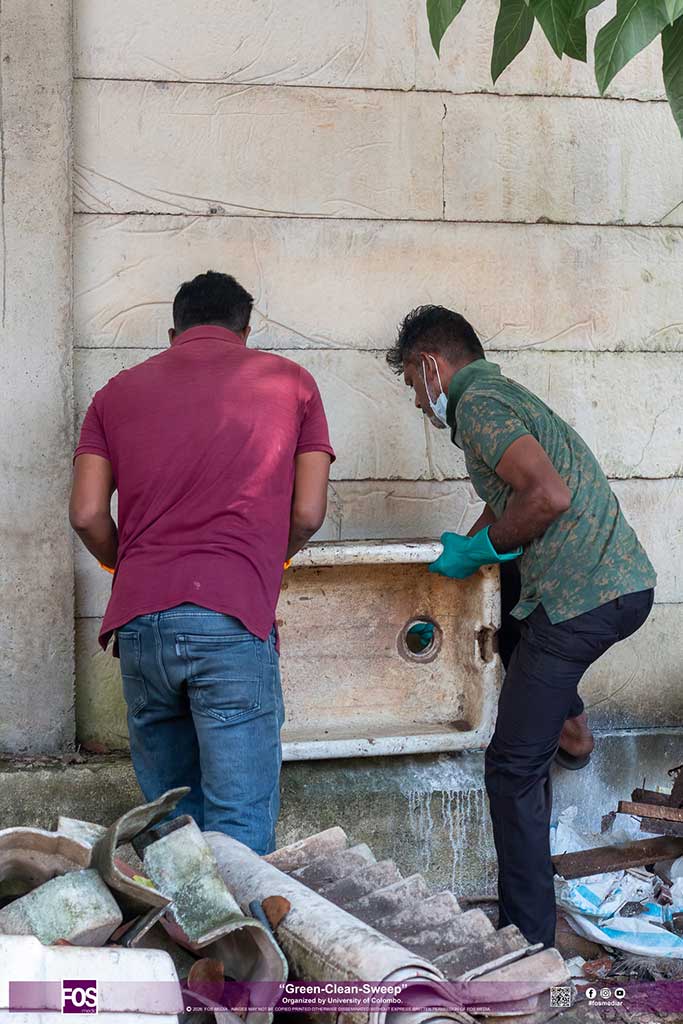
In June, the Faculties of Graduate Studies, Indigenous Medicine, Nursing, Science and Technology, IBMBB, NILIS, PGIM, PGIIM, and UCIARS conducted Big cleaning days and Shramadana campaigns.
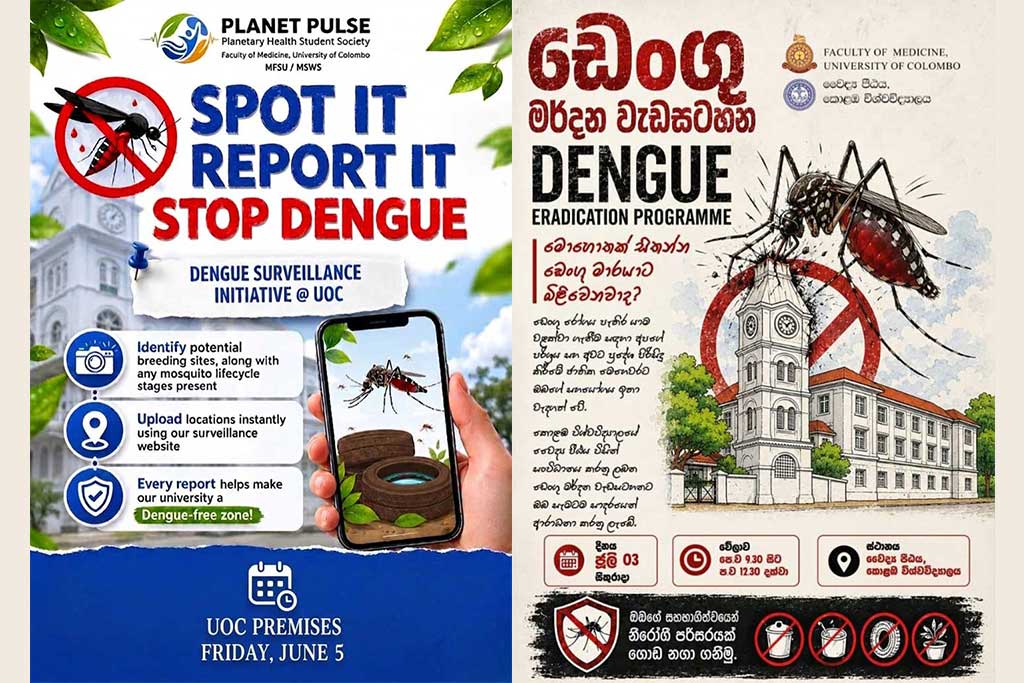
The Faculties of Medicine, Arts, Law, and Sri Palee Campus conducted cleaning and dengue prevention activities to maintain clean and healthy premises in July. The Faculty of Medicine’s Planet Pulse – Planetary Health Student Society also conducted the “Spot It, Report It, Stop Dengue” surveillance initiative to identify and report potential dengue breeding sites.
GREENING AND CAMPUS BEAUTIFICATION
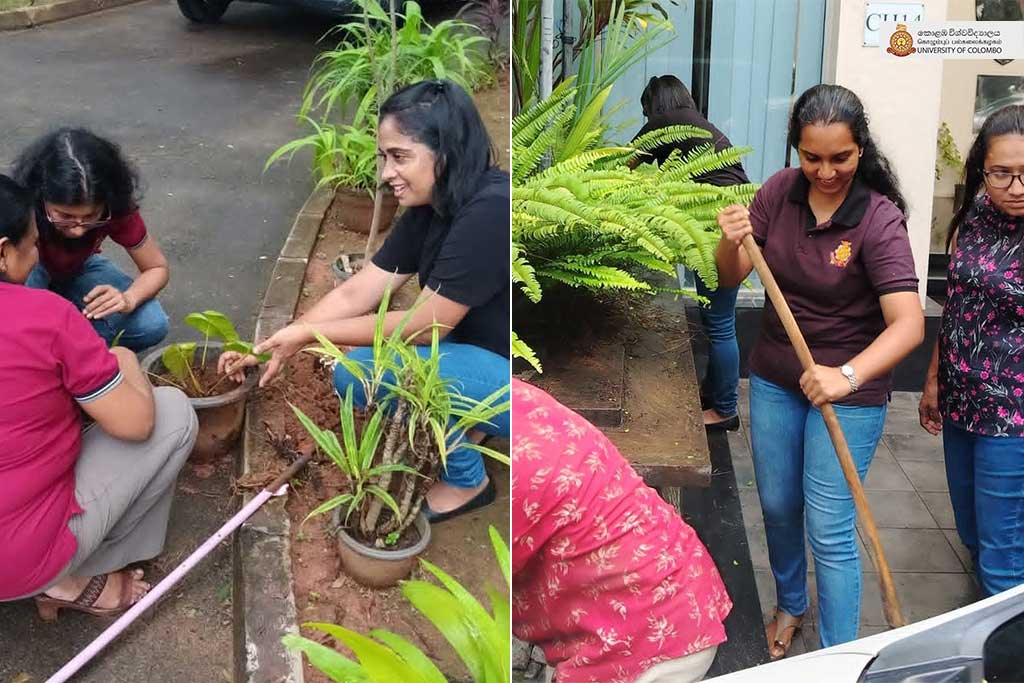
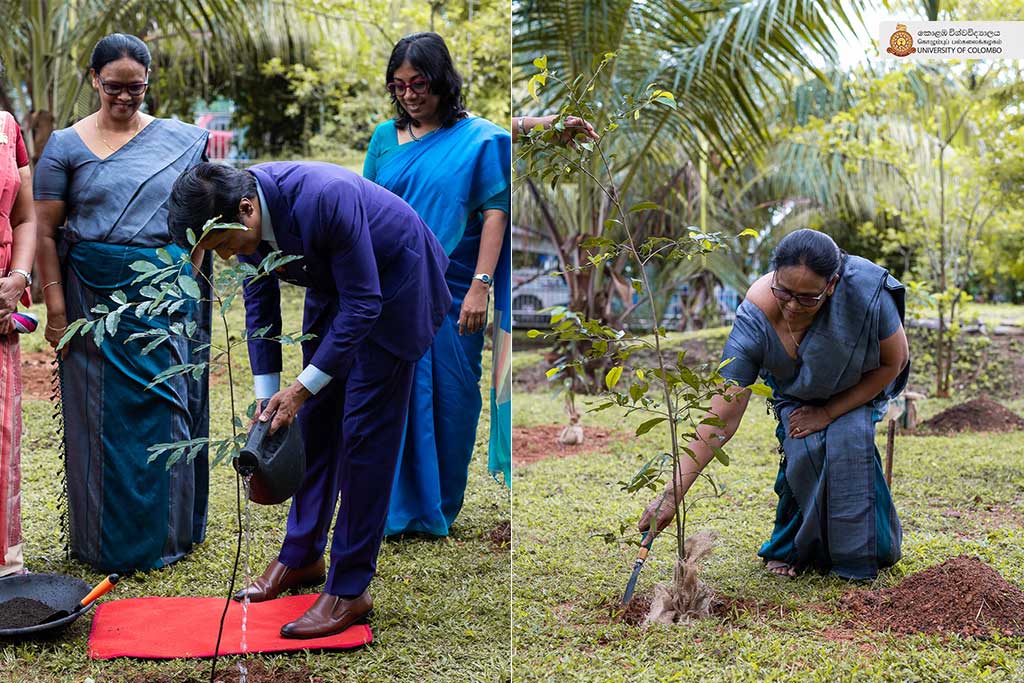
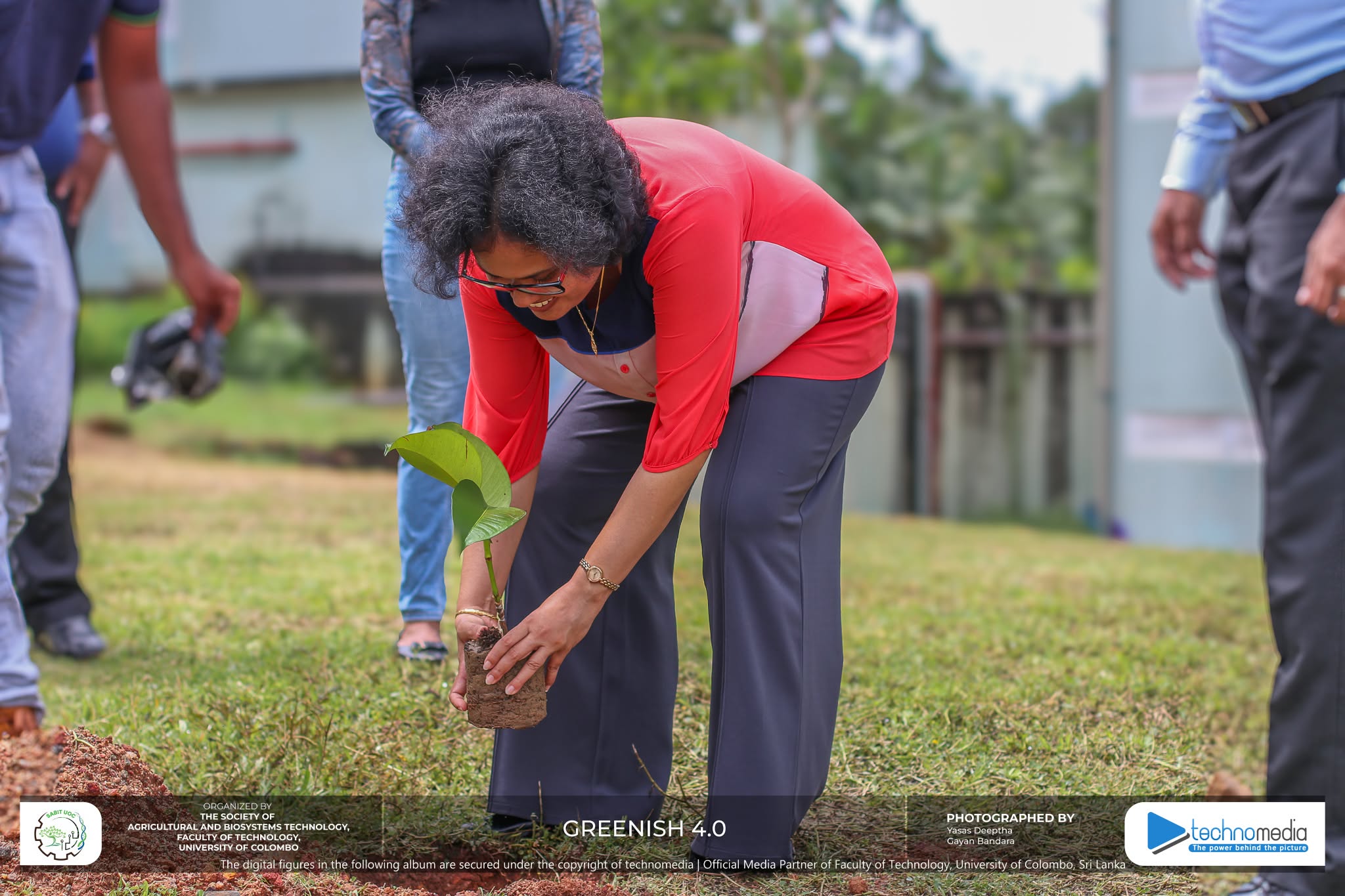
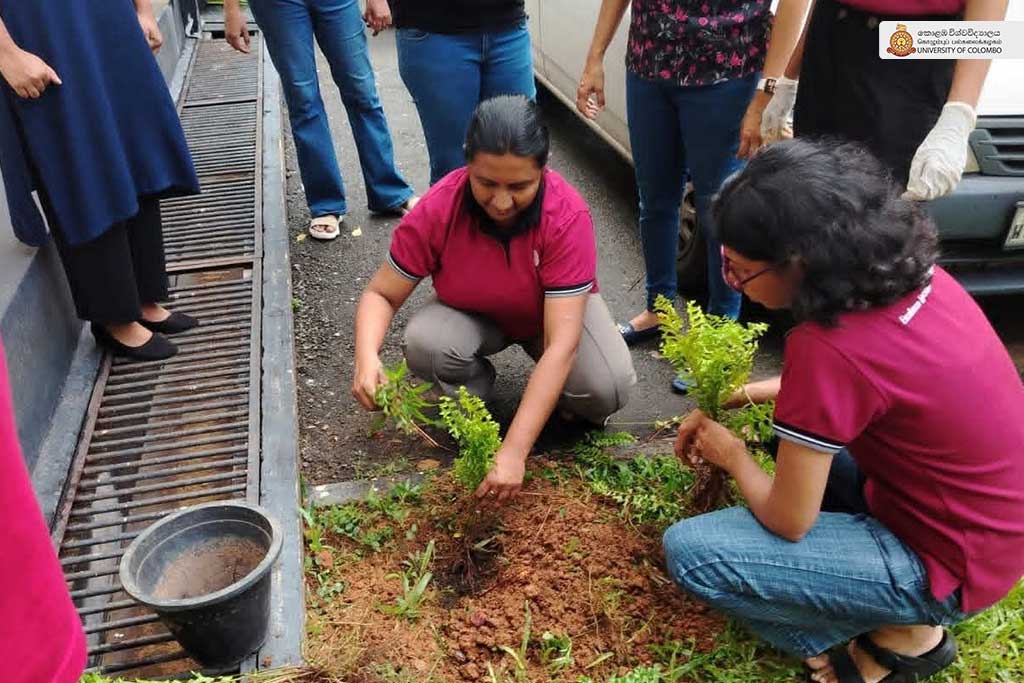
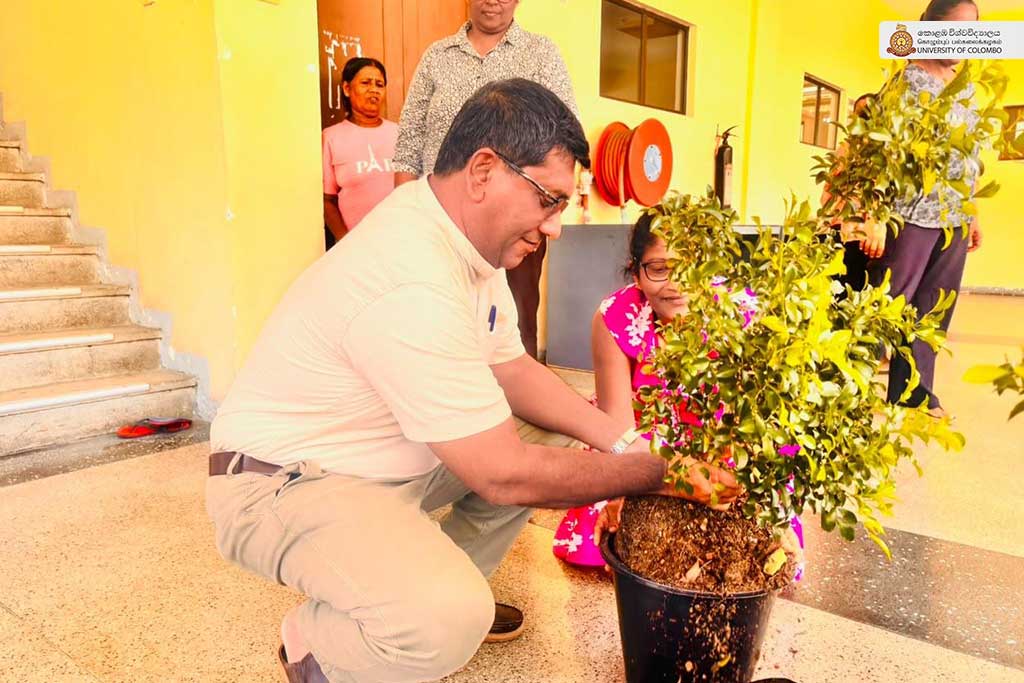
Environmental Month also featured activities to enhance campus greenery and promote environmental conservation. In June, the CEI organised a tree-planting campaign at the University premises with the participation of the Vice-Chancellor, Deans, academic and non-academic staff, and students. The Society of Agricultural & Biosystems Technology (SABIT) of the Faculty of Technology conducted “GREENISH 4.0,” featuring tree planting with the participation of students and staff. The Faculty of Graduate Studies, IBMBB and NILIS also incorporated tree planting into their Shramadana Campaigns.
ENVIRONMENTAL AWARENESS PROGRAMMES
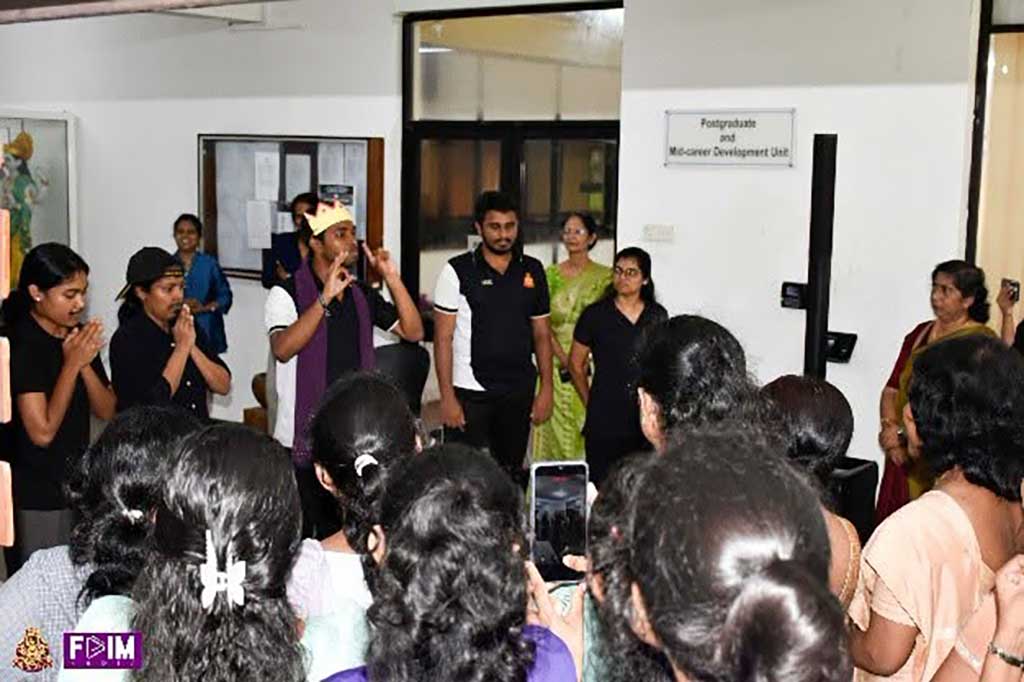
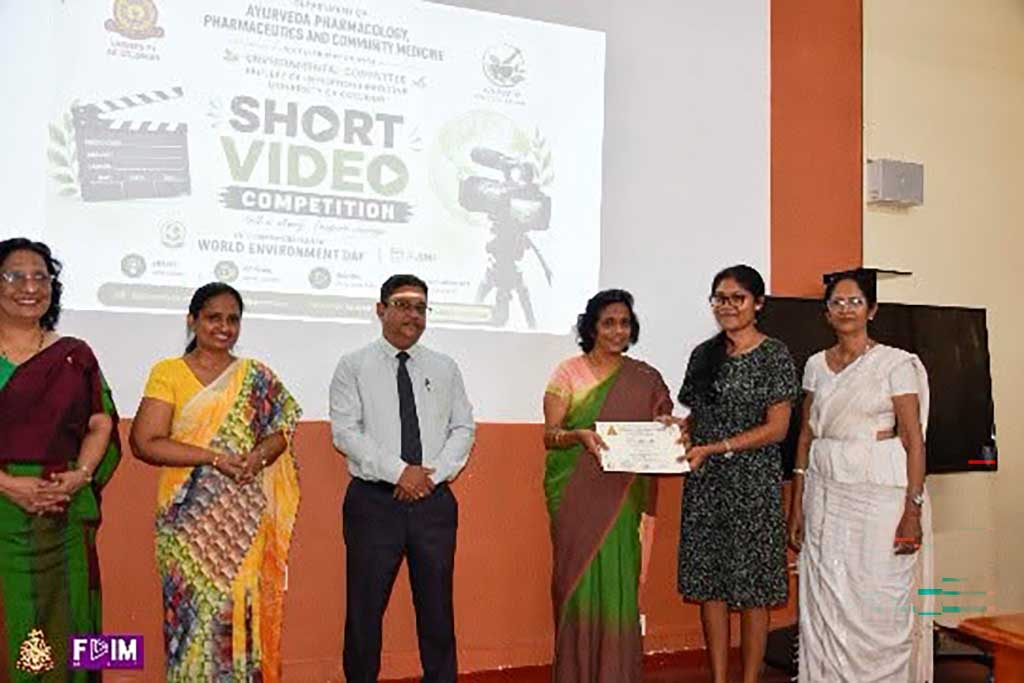
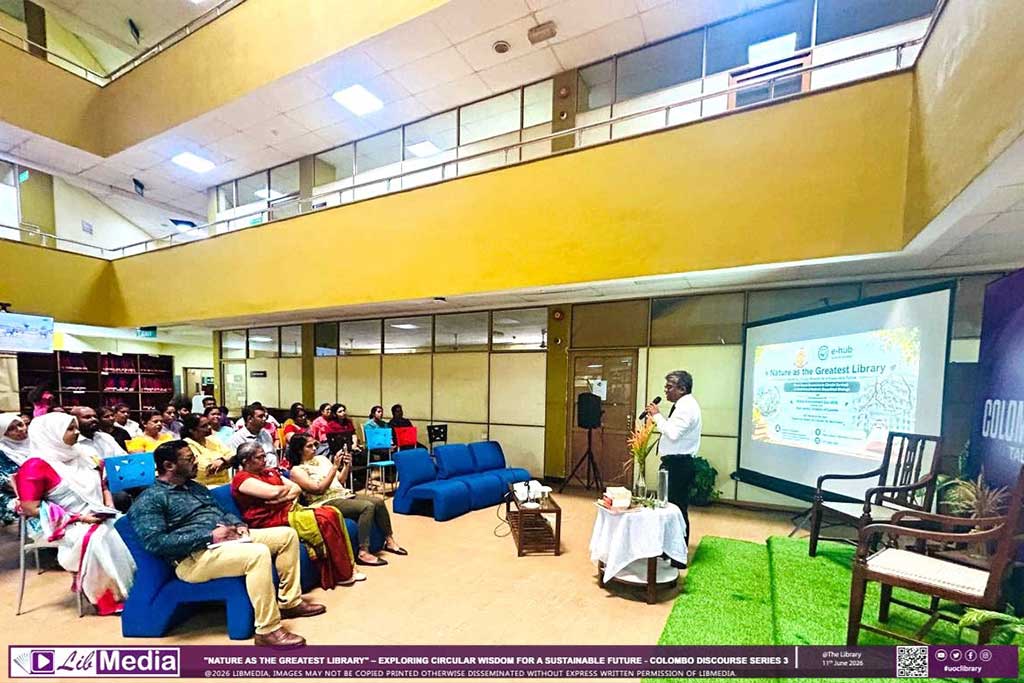
Environment Month also provided opportunities for the University community to engage in environmental learning and awareness activities. The Faculty of Indigenous Medicine organized an Environmental Awareness Street Drama under the theme “Green Minds, Green Actions, Green Future” and a Short Video Competition under the theme “Protecting Nature for a Sustainable Future”. The Main Library conducted the Colombo Discourse 2026 session, “Nature as the Greatest Library: Exploring Circular Wisdom for a Sustainable Future”, focusing on sustainable practices and circular economy principles.
The BotSoc and BEEZ student societies at Faculty of Science organized “Harithasara”, a musical programme to celebrate World Environment Day. The NILIS conducted an awareness programme on the Green Library Concept and the Sri Palee Campus organized the “GREENSHIFT 2026” Orientation Programme along with poster and video campaigns to promote environmental awareness.

CONTINUING THE ENVIRONMENTAL COMMITMENT
The Environment Month 2026 activities brought together students, academic and non-academic staff, and other members of the University community through a diverse range of environmental initiatives. From cleaning and campus beautification to dengue prevention, tree planting, waste management, and environmental awareness. These activities strengthened environmental responsibility and contributed to a cleaner, greener, and healthier University of Colombo. The collective participation across faculties and institutes reaffirmed the University’s continued commitment to environmental sustainability and collective action.


